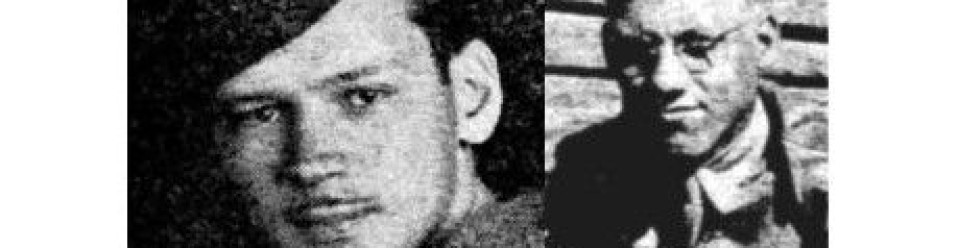
Jacob Bruzos was born in Rockford on May 19, 1918. He was the only son of Jacob and Mary Bruzos, who both immigrated from Lithuania. Jacob Bruzos Senior was born about 1893. He and Mary were married in Winnebago County in June of 1917. They would eventually open their own dry cleaning stores.
Jacob Junior grew up here in Rockford, graduating from Rockford High School. It was while in high school that Jacob found his love for photography. He was hired by Burchett Studio on East State Street and also worked at Camp Grant as a photographer. He was inducted there in June of 1942 and completed his Basic Training at Jefferson Barracks in Missouri.
Jacob was sent to Guatemala and then to India. He was hand-picked to become an aerial photographer. This was a vital component of the war and the B-29’s would use photographers like Jacob to help determine bomb targets.
The Bruzos heard from their son in September of 1944. Jacob wrote that he enjoyed China much more than some of the other countries he had seen. He had achieved the rank of Corporal by this time and he was very proud of his contribution to the war effort.
The next information Jacob and Mary received was by the dreaded telegram telling them that Jacob had been killed in action in China. Jacob had been flying a mission on a B-29 Superfortress when the plane crashed. His body was buried there in a small cemetery.
In 1948, a U.S. Army Transport the Cardinal O’Connell arrived in San Francisco. It carried the bodies of 2785 men and 8 women who had been recovered from the small cemeteries where they had been laid to rest. They included the bodies of 11 men from the Rockford area.
Jacob was one of these men. Jacob’s mother was a member of the Mothers of World War II and the group was there to meet the bodies and help the families through the process.
Leonard Victor Anderson
Staff Sergeant Leonard Victor Anderson was another of the men returned home on the transport in 1948. He was born in Sweden and came to America with his parents when he was six years old. Leonard finished high school and was employed by National Lock until he enlisted in the coast artillery unit in February of 1941.
His father, Victor D. Anderson received a letter from Leonard on November 21, 1941. In the letter, Leonard talked about his days in the Pacific Islands and his promotion to staff sergeant. The father stated that he heard from the Red Cross that Leonard was missing after the Japanese invaded the Philippines.
Then he heard nothing more. Victor did not even know his son was in a prisoner of war camp until January of 1943. Victor told everyone who asked that he had faith that his boy was coming home soon. When he was notified of Leonard’s death, the Army could not even tell him for sure when his son had died. It would be another five long years before they could bring Leonard home to be buried.
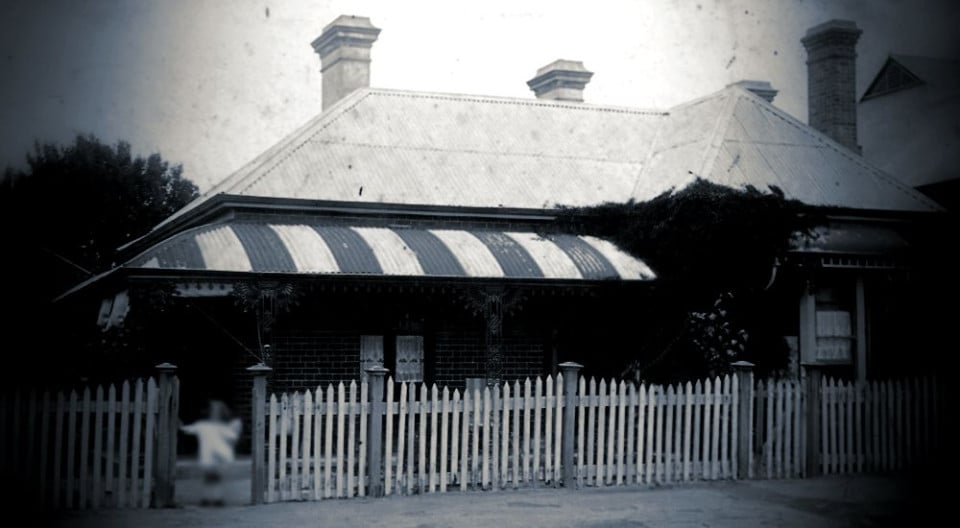
There is a warehouse on the Southeast side of Rockford that has an unusual problem. The problem isn’t with wiring or plumbing; this warehouse has a ghost. Actually, it has a couple of them. But the most disturbing one is the ghost of a little girl. No one can remember when they started hearing stories about this little girl, but all agree it has been years.
The little girl is seen all over the area but mainly near the intersection of Samuelson and 6th Streets. Yolanda Weisensel, owner of Command Post Restaurant and Camp Grant Museum states that she has heard quite a bit about the child. She is 5-8 years old, has long light brown hair, and wears a dress with stockings and boots. “She seems to be from the 1910-1920’s era. I have heard several stories. Someone told me they can remember a little girl that got hit by a train back when the train tracks ran down 6th Street,” Weisensel states.
There is one person who is reluctant to talk about the little girl, however. He works in the previously mentioned warehouse and we will call him “Sam.” “I was moving some pipes in the warehouse. I would bend over and pick up a pipe and move it to its new location,” explained Sam. There is a door that has a window set the top half, right across from where Sam was working and what he saw in the reflection of the window startled him so much that he no longer likes to be in the warehouse at night by himself.
When Sam stood up with a pipe, he caught his reflection in the glass of the door. He had seen that same window at least a dozen times, but this time something was different. When Sam looked into the glass, he saw more than his own reflection. Standing next to him was the reflection of a little girl. She was about 6-7 years old, had light brown hair and was wearing a dress. Even more alarming to Sam, the girl reached out for his hand and just as he saw the little girl’s hand touch his, his whole right arm went cold. Sam quickly looked next to him. There was no one there.
Sam turned to look back into the window and the little girl was still there.
Sam is not a man to frighten easily. He’s a large man, 6 foot 3inches or so, and probably 230 pounds. But he shared with me that he was Samoan and his Pacific Island people were very superstitious about the dead. The Pacific people believe that objects that reflect one’s image are a portal to the Spirit realm. To steal the souls of the living, evil spirits sometimes take on the appearance of loved ones that have passed away.
While others might have been curious and even possibly thrilled that the little girl had contacted them, Sam was not. He does not want to be disrespectful toward the little girl, but he really doesn’t ever want to see her again.
Other people have seen this same little girl outside of the building, skipping along both 6th Street and Samuelson Roads and picking the wildflowers that grow up along the roadside. They claim that she is just as solid as any other living little girl. The only thing odd about her is she is dressed in clothes from another time.
Despite our research into the train accidents in that particular area, and reviewing news reports on a child that died at that intersection, the little girl’s identity remains as elusive as her reason for lingering here.
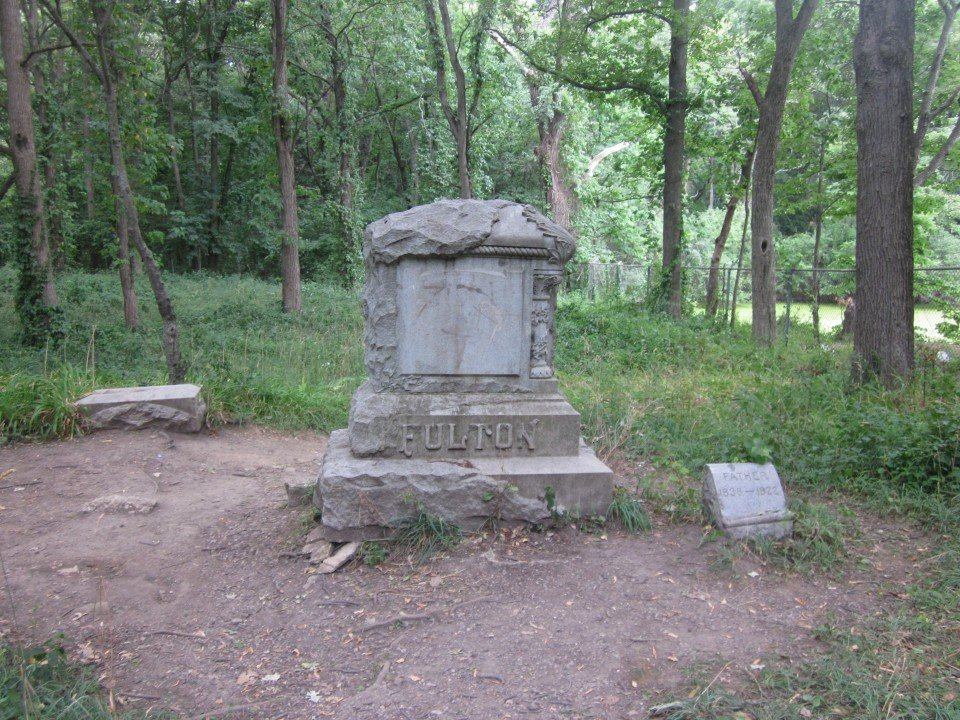
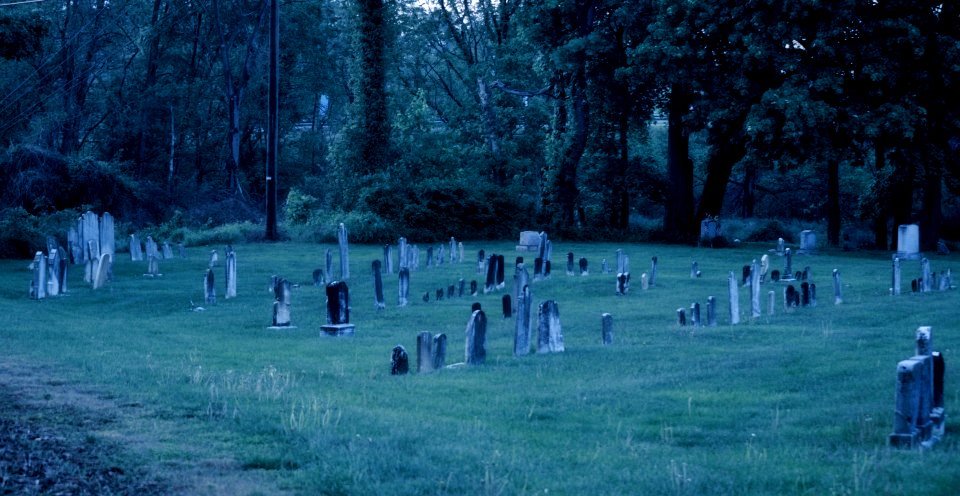
Bachelors Grove Cemetery is an abandoned graveyard in the Chicago area. It is well known as a location for paranormal experiences.
The area was settled in the early 1800’s. People who first settled in this area were of English, Irish and Scottish descent and came from the Eastern United States, primarily New York, Connecticut and Vermont.
The cemetery is shrouded in mystery, and even the origin of the name of the cemetery is uncertain. It either came from the fact that several bachelors were part of the group that first settled this area or from the fact that wooded areas were often named for the families that settled certain areas. Research shows that there was actually a family with the name Batchelder that settled near this area around 1845.
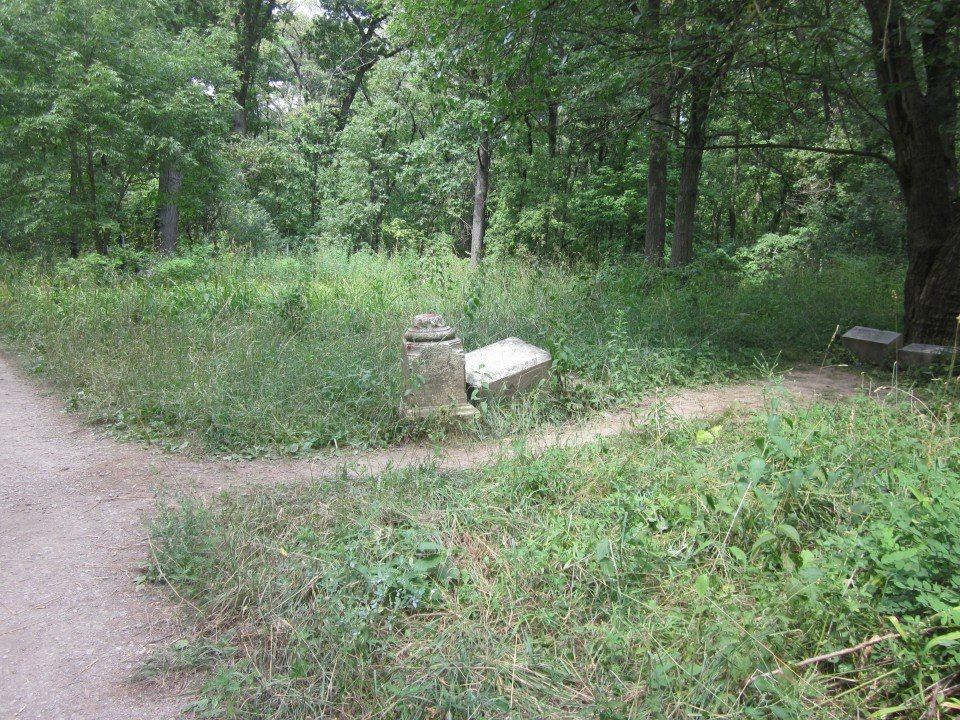
The cemetery is one of the oldest in Cook County. There is an abandoned road that lines the cemetery and crosses a creek bed back in the woods. This road has been closed to traffic since the 1960’s.
Details of the first burial in Bachelors Grove Cemetery are in question with some records stating that Eliza Scott was buried in 1844 and others mentioning William Nobles who died in 1838. Some of the last burials include Laura McGhee in 1965 and Robert Shields in 1989.
Unfortunately, the cemetery has been vandalized for many years. There are not many headstones left and those remaining have been spray painted, turned over, and even stolen. Many families have removed their family members from Bachelor’s Grove. They have been moved for various reasons, some because families wanted their loved ones closer to where the family now lived, others wanted the deceased located in cemeteries with more space for future family members. And some of the dead were relocated because families had concerns about the vandalism.
There have been many paranormal claims for Bachelors Grove Cemetery and the area near to it and it is probably one of best documented haunted places in Illinois. Many of the big-name in the paranormal field have written about it, including Ursula Bielski, Troy Taylor, Dale Kaczmarek, and Michael Kleen. Television shows have visited the cemetery as well.
Richard Crowe was really one of the first in Illinois to start visiting this area. He stated that the famous “hook” story actually happened on the road that runs alongside the cemetery.
There are many claims of paranormal experiences in the whole area. One of the most common is the vanishing house. Many people have claimed to see a two-story farm house with a porch swing and a small lamp in the window that gave off a welcoming glow. The house supposedly seems to shimmer and floats if one approaches it. Many have combed records searching for the house. While there were houses in the area, no one has ever figured out if there was an actual house in the exact location this particular house is seen.
There are also reports of different colored lights in the woods surrounding the cemetery. Most of the reports state red or blue lights. They come at all times of day and night and seem to blink, glow brightly, and weave around the tombstones. One couple even claimed they were pushed over by the light when it rushed at them.
A small pond is located on the back side of the cemetery. It is a stagnant, murky, green-colored body of water. It is said that in the early days of the cemetery, people came to picnic among the tombstones and they would fish and swim in this pond. In the prohibition years, stories began to circulate that the mob was using this same pond as a dumping place for the bodies of the men they killed. Some people theorize that the mysterious colored lights are the souls of the murdered men.
The same pond also plays a pivotal role in another story. Two Cook County Forest Patrol officers were riding on Midlothian Road in the 1970’s when they were astonished to see a horse climbing out of the pond. The horse was not the only thing that emerged from the murky depths. There was a plow attached to the horse and an old farmer driving the plow. They saw such detail that they could see that the man was old and had a ghastly look on his face. The horse and plow passed right in front of them and disappeared in the woods on the opposite side of the road.
The origins of this story claim that there was an old farmer who owned the land and while out plowing one day, his horse became startled and bolted. While trying to control the horse, the old man became tangled in the reins and was helpless when the horse plunged into the pond. The horse and the man both struggled to escape but were unsuccessful. Apparently, they are still trying to free themselves of the dark and murky water.
Other visitors to the cemetery have reported seeing a woman dressed in a full length gown wandering through the cemetery as though searching for something or someone. Some people claim she is looking for a lost child.
There has been a lot of research done on Bachelors Grove Cemetery by groups in the area, including a high school class that researched the burials records. One website, “Bachelors Grove Cemetery and Research Center” has done an excellent job of gathering the research and making it available in one place. The site has names, dates, and even pictures of the some people who were buried in the cemetery. Trail maps are also available.
Samuel Seymour wasn’t born in Rockford. Like many of the families living in Illinois in the mid 1800’s, Samuel came from the East coast. He was born in Litchfield, Connecticut on December 14, 1829. He attended school in Massachusetts and became a teacher for a while.
In 1849, Samuel got struck with “gold fever” and he became one of the many men who left their homes in an attempt to strike it rich in California. He worked on the ship to help pay his fee for the passage. He was 20 years old and the trip around Cape Horn must have been quite an adventure. Later in life he would entertain his friends and family with tales of the journey.
Unlike most of the men who headed west for the gold, Samuel actually was successful. He would use this money to build a very lucrative financial foundation for himself.
Samuel returned to the east and that was where he met his lovely wife, Laura Lewis. They were married in New York in 1855. Samuel and Laura moved to Rockford in 1857 and Samuel started to sell insurance. He used some of the money he had made in California to invest in real estate.
Samuel and Laura did very well here in Rockford. They built several houses and seemed very happy. Samuel finally retired in 1896 and was able to live off the proceeds of his wise investing.
Laura became ill and eventually died in 1898. Samuel surprised his friends when he quickly became enamored with a Mrs. Carrier who worked for him as a housekeeper after the death of his wife. Mrs. Carrier at first rejected his marriage proposal but when Samuel had a nuptial agreement written up that gave her one of his properties, she suddenly realized how attractive Samuel was.
Today’s newspapers are filled with couples who air their “dirty laundry” for the public to see. It was really not much different at the turn of the century, here in Rockford. And so it soon was with the recently married Mr. and Mrs. Seymour. She accused him of not supporting her financially and he accused her of trying to take all his money. Samuel filed papers stating that he would not be responsible for any of her debts and he changed his will to leave everything to his nephew. Samuel called his “buxom wife a tarter” (which back then meant someone who was sharp and sarcastic in character).
Samuel actually hired a wagon to come pack up all of his belongings. It seems things got very heated when the driver tried to load some of Mrs. Seymour’s furnishings. The papers said she had to defend her home with weapons!
Mrs. Seymour stated in court when she filed for divorce that Samuel would lock her into the attic at night. He also supposedly abused her mentally and physically.
Samuel tried to settle out of court but the $2,500.00 he offered was not enough for the former house keeper.
The marriage really lasted only a couple of months but the divorce proceedings drug on for years. Finally in 1902, the divorce was granted to Mrs. Seymour. She received the houses and the property that Samuel promised in the pre-nuptial agreement. They were valued at over $7,500.00
This might have taken the wind of out some men’s sails but Samuel was nothing if not a romantic and he married a third time in 1902. On September 20, 1902, the paper announced the wedding of Samuel to Florence E. Kennish from Davis Junction. They built a new house on State Street and seemed very happy. Their relationship must have been considerably better than Samuel’s second marriage. They welcomed a baby boy in June of 1903. They named him Porter Kennish Seymour. Samuel was 74 years old when his son was born!
Samuel must have held onto some of his distrust of woman though. He passed away in March of 1906, and in his will, Samuel left no provisions for his wife Florence. He left his entire estate, worth $16,000 at the time to his infant son, Porter. Florence decided to contest the will and later was given half of the estate.
Besides leaving this colorful tale for his legacy, Samuel ‘s family has also left some ghost stories behind. His wife Laura supposedly loved her house so much she is still there. The house was built in 1882 and they lived in it until Laura’s death in 1898. They also had another house just around the corner that Samuel had built earlier. Samuel himself supposedly haunts both houses. Samuel worked hard for the money to purchase those properties and maybe he is just staying around to make sure that they are properly taken care of.
Emma Jones and her husband Frank were married in Rockford in 1898. Emma was born in Orfordsville, Wisconsin in 1879. The newlywed couple moved around a little, but eventually they settled in a lovely home not far from the Rock River on the city’s east side. Legend has it that Frank owned a transportation company and traveled quite a bit for his work. Emma would sit in the attic window of her home and watch for his boat to come up the river.
Emma had her dogs to keep her company while Frank was away. The dogs were devoted to her and would follow her everywhere. She spent many hours caring for their large home and neighbors would often give compliments about the beautiful home. It was easy to tell that Emma truly loved her house.
Time passed and Frank died, leaving Emma all alone in the big house. She still had her beloved dogs by her side and still liked to sit in the attic window though the view was blocked with other buildings that had sprung up over the years.
Emma couldn’t care for the house as well in her advanced years and it fell into a state of disrepair. Her precious dogs passed away and her grasp on reality started to slip. Family members became concerned and Emma was put in a nursing home. Her confusion worsened and she did not understand why she was not in her lovely home anymore. Sometimes, Emma would wander away from the nursing home and make it back to her home. She couldn’t go in, of course and her concerned neighbors would see her wandering the grounds and call the nursing home to come collect Emma.
The family finally had to admit that Emma would not be returning to the house that she and Frank had shared and they made the painful decision to sell the home. One of the first realtors to show the place brought a young couple to the home. He realized that the electricity wasn’t working so he made his way into the basement to check the fuse box. He didn’t have a flashlight with him so he lit a match. In the flickering light of the match he was startled to see an elderly woman standing next to him! The match went out and when he finally got another one lit, the woman was gone. The realtor hurriedly checked the fuses and got the lights to come on. Of course, he never mentioned the woman in the basement to the couple waiting upstairs.
The couple purchased the home and worked very hard to restore it to its former glory. They were slightly concerned with some of the strange things that happened around the house. They often heard the sound of dog’s claws on the hard wood floors and the sound of pieces of metal rattling. They also heard strange knocking sounds all through the house. The couple had exterminators come check for mice but no reason for the knockings could be found.
One day, they walked into the front parlor and found a little old lady standing there. She looked at them quite cross and demanded to know why they were in her house. They stood there in shock as she walked past them and went out the front door.
They mentioned the visit to the neighbors who told them it was probably Emma. They explained that Emma was confused and didn’t understand that the house was no longer hers. They told the couple to phone the nursing home to let them know that Emma had wandered away again. When the couple called, they were stunned when the receptionist replied that it could not have been Emma that visited them. Emma had died weeks before!
The couple moved out shortly after that.
The next man to own the house didn’t stay long either. He would receive phone calls in the middle of the night. At first, no one responded to his greetings. But finally, one night when he answered the phone, a voice asked him, “Am I dead?” The voice, he claimed belonged to an old lady.
After that, the house stayed empty for a while and the neighbors would speak of seeing someone sitting up in the attic window, the same windows where Emma often sat to waiting for Frank.
Emma’s house was eventually bought by Meld, a non-for profit organization that assists teen mothers. Remodeling was done to create office spaces. During the construction, workers had quite a few incidents with the house. When they stepped outside to take a break, the door would lock by itself behind them. They would turn off all the lights when they left for the evening and walk out to the back where there was a parking area. When they glanced back up at the house, the lights would all be lit again.
The reports of strange incidents didn’t stop when the remodeling was finished, however. The ladies in the offices would complain about items turning up missing only to be found in some remote place. They had a little tradition of baking cakes to celebrate the birthdays of the women who worked in the building. The women would leave the cake in the kitchen area on the counter, and several times they later found that a hunk had been removed from the center. After discussing it, they decided that if Emma were truly still there with them, they should be more accommodating. So they started to cut a piece of cake and leave it there for Emma. And after that they never had trouble with baked goods again.
Women working in the building also told of strange noises and decided that it was Emma’s dogs. They supposed that it was the dog’s claws and the medals on their collars that were making the noises.
They never felt “frightened” but they were startled at times. One young lady who was often the last to leave in the evenings tells of the night she left very late. She turned out the lights, locked the doors and set the alarm. She got into her car and was driving past the front of the house when for some reason she turned to look at the front. There is a large window in the front door and through that window, she saw a little old lady standing on the staircase. She didn’t stop and go back inside. She said she knew exactly who it was.
Later, the house was remodeled and turned back into a home. It is now owned by a nice family who have really made it into a beautiful home once again. They say that they have never experienced any strange incidents since they have moved in. Maybe Emma approves of the house she loved belonging to a family once again.
The silence of the hot June summer afternoon was broken by the sound of a train whistle. This was not unusual for that part of the city and hardly anyone seemed to take notice. It was 1884 and the train was a usual method of transportation. The whistle blew again and then again. People must have noticed the multiple blasts and the ringing of the fire bell. Some of the men even mentioned the whistle and the bell later, after the horrible tragedy happened.
The train, of the Chicago, Milwaukee, St. Paul Line came rolling toward town near Kishwaukee Road. The engineer, Mr. Tilden stated later that he saw the wagon. He felt sure that the driver of the wagon would stop. He blew the whistle and had the fireman ring the bell. He must have been horrified as the metal monster he was in charge of hurtled straight for the wagon and the man driving the team.
They met with a tremendous, terrible crash. The cow catcher caught the wagon where the horses and wagon were attached, ripping them apart. The wagon was “capsized” and tumbled and smashed, pieces of wood and meat from the wagon’s cargo scattered in a line between the train and the wreckage that was once the wagon. There was a brief awful moment of silence; everyone was too stunned to move or to speak.
Some of the passengers from the train broke the silence by jumping from the train, eager to help. They ran forward; some of them towards the horses and some toward the wagon. The horses had been carried along for quite a distance, and were all dead. Others passengers, including Supervisor William Knapp of Burritt, rushed to the driver. Lifting debris from the wagon, they gently moved the driver into a car on the train and rushed toward the depot.
The young man’s wounds were truly terrifying. The top of his head was horribly cut and his brains were exposed with small pieces of his skull driven into his brain. His right leg was broken above the knee, his right thigh and hip joint were both fractured.
Identification of the wagon driver was difficult due to the wounds he received, but he was finally somehow recognized as George Bishop and they moved him as gently as they could toward his father’s house on Bishop’s Hill near the Resort House. Along the way they were met by Dr. Richings. Once home they laid him on a bed and the doctor did what he could to help the injured man. He had to trepan the wound to remove the pieces of skull from the brain. The doctor was not very hopeful of the young man’s survival.
Interviews with the engineer and another witness (a farmer who was in his field working at the time of the accident) established that it was all an unfortunate accident. They all believed that George had been asleep, so deeply asleep that not even the shrill whistle of the train could wake him. Officer Monroe Clark, who worked the downtown beat, stated that he would go to the Schmauss Brothers business where George worked and wake him up every morning at 3:00 A. M.. George had been assigned this new route about seven weeks prior to the accident. George had complained to Officer Clark that he might have to quit the route because he was so tired that he had to struggle to stay awake, especially on the way back into town.
George lingered until 9:30p.m., when he finally succumbed to his horrible injuries, having never regained consciousness. The doctors that attended him felt that it was merciful that George probably never knew what hit him.
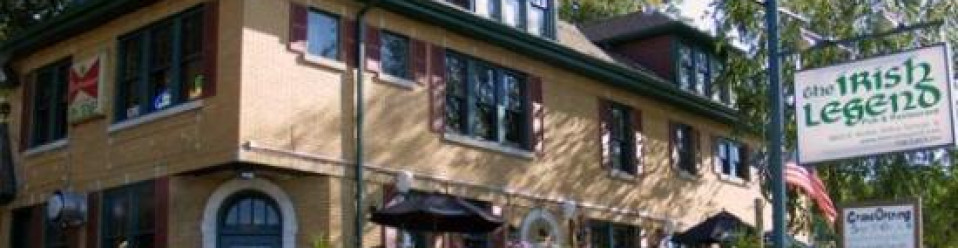
I often tell of how serendipitous my life is and my visit to the Irish Legend Pub is a definite example of that. A few years ago, my boyfriend, John decided to surprise me for our first Valentine’s Day with a paranormal evening. (Nothing says I love you like an evening with the DEAD!) The night turned out to be very interesting and I was fascinated by the history of the location.
The Irish Legend Pub is located at 8933 South Archer in Willow Springs, which is just west of Chicago. When we visited it, the restaurant was called The Stag’s Head Inn.
Archer Avenue is famous for the many claims of paranormal experiences. The Irish Legend Restaurant is located right across from the infamous Willow Brook Ballroom where many claim the ever-popular Resurrection Mary story originated.
The history of this road itself is fascinating. Archer Avenue was originally a portage between the Des Plaines and Chicago Rivers. Prior to the 1830’s, it was a plank covered road that followed an old Native American trail. It was originally called the “Road to Willow Brown’s”. When the Illinois and Michigan canal was built the road saw an explosion of traffic. Since the road parallels the Illinois and Michigan Canal, it was named after the first commissioner of the canal, Colonel William Beatty Archer.
Construction on the canal in the 1840’s brought an influx of Irish and German immigrants. They worked on the canal and on the construction of stockyards. In the 1880’s and 1890’s more construction followed as little villages were settled along this stretch of Archer Avenue. It was during this construction that many Native American burial mounds were destroyed to make room for the new construction. Paranormal enthusiasts speculate that this was one of the reasons the area became so haunted.
Though I couldn’t find an exact date for the construction of the particular building that is now the Irish Legend, people say that it has existed in one form or another since at least the beginning of the 1900’s. It seems that when the men came to work on the canal and railroads, they needed places to drink. This and the lure of the “company of certain types of women” explain the number of pubs and taverns that sprang up all along Archer Avenue. The larger population brought bigger problems and soon gambling, alcohol, and prostitutes made their way to the once peaceful village.
Prohibition came to the United States and that brought a whole new breed of outlaw to the Willow Springs area. The village’s close proximity to Chicago made it appealing to the mobs and speakeasies popped up all over the area.
The Irish Legend claims to have been a speakeasy in its day. The basement and attic areas were used for illegal gambling and the second floor was designed with many small rooms where the ladies of the evening would entertain men. Many men breathed their last in here, easy marks for robbery and murder in their drunken state. The woman themselves led a tortured and desperate life. Many women fell victim to addiction themselves as they tried to escape their painful circumstances.
One of the many stories of the building tells of a forbidden love between one of the girls and a barkeep. The manager of the building found out about the two lovers and lured the unsuspecting bartender to the basement stairs where he crushed his skull in.
Another story, which may or may not be the same woman, tells of the horrible death of one of the girls. She was supposedly beaten and wrapped in a carpet. This carpet was put in the “dining area” for a few hours until it was dark enough to remove her body. Supposedly, her blood seeped out onto the wooden floor and the stain is still visible even today.
The kitchen area holds its own horrors. It was common practice in some houses of ill repute to perform abortions on any girl unfortunate enough to conceive, and at the Irish Legend Pub, the kitchen area is reportedly where these operations took place. There is an ominous, heavy feeling in this area and also in the small closet adjoining the kitchen. Some people who have worked in the restaurant and lived in the small apartment on the second floor tell of hearing babies crying.
There are also reports of the sounds of men fighting, especially in the back stairs area. These steps led directly from the parking lot, and made it easier for prominent men to slip in to the building unseen and so avoid any possibility of a scandal . These same stairs also made it easy for bodies to be carried right out to a waiting car. Many men and women disappeared from the building only to be found later dumped in the canal or alongside the road.
The violence, sadness, depression, and desperation all still linger at this location. It is not hard to imagine the line between the present and the past fading away, allowing us a glimpse into that time. Places like the Irish Legend Pub make it easy to remember that these ghost stories are not only entertainment. Many of the stories tell of actual people who, in many ways, were a lot like us. They had hopes and dreams and those dreams were shattered by addiction or bad choices or by simply trusting the wrong person.
This may be why so many of them still linger here, waiting for justice that will never come.
I’m often asked how I find stories. Sometimes I get them from something I read in the old newspapers and sometimes I hear stories from other people and research them. This story is unique because it comes from an unusual source. I was hosting a tour at Cedar Bluff Cemetery and happened to be walking in an area I hadn’t researched yet. Paul Smith, one of the psychics I work with was with me and he picked up a man who kept asking him the same questions. “Why are we forgotten? “ Paul went on to explain that there was a man with us and he was trying to get my attention because he felt that he and his fellow soldiers who fought in the Spanish American War had been completely overlooked.
Well, that took me by surprise, so as my friend “talked” to the gentleman, I looked around until I found a tombstone that had the name George Whitmore on it. The tombstone also mentioned that George had fought in the Spanish American War.
So at George’s request, I researched his story.
George Whitmore was born in Rockford, Illinois on September 14, 1874 to Charles and Mary E. Whitmore. He had a pretty typical childhood for that time. When he was 25, he joined the 3rd Illinois Infantry Unit Company K. George earned his hero status when he was involved in the Spanish American War.
The Spanish American was an important war because it really began the emergence of the United States as a great power in international affairs.
The war started shortly after the U.S.S. Maine was sent on a supposedly friendly mission in April of 1898. Tensions were rising in Cuba and President McKinley decided to send this warship down there just in case things started to escalate. It was officially called a friendly, fact finding mission. The ship was sailing around the harbor in Havana when it mysteriously blew up. Tragically, 260 of the 350 men on board were killed when the ship split in two and sank in the harbor. Spain blamed the ship and the United States claimed there were mines planted in the harbor (by Spain, of course).
The United States newspapers of the time whipped the U.S. citizens into a frenzy and called for war. It was a major case of what was to be known as “yellow journalism” and the saying ”Remember the Maine!” was born. McKinley declared war even though there was really no evidence that it was an intention sinking. In fact, the true nature of the sinking of the U.S.S. Maine was never discovered and remains a mystery to this day.
President McKinley didn’t really want war and the Spanish certainly didn’t but the pressures from the press and Assistant Secretary of the Navy at that time (a man by the name of Theodore Roosevelt), were impossible to ignore. Roosevelt actually stated that he thought McKinley was afraid of Spain.
In order to prove that the United States was not just trying to wrestle Cuba away from Spain, Congress passed the Teller Amendment; promised to liberate Cuba if the United States won the War.
So then America went off almost cheerfully to war with Spain.
Around 4,200 men died in the fighting of the Spanish American War before it ended 1902. That number is low when compared to other wars. But imagine your father, husband, son, or brother was one of the men who did not return home to their families. Then the number seems very high, indeed.
George did not die in the battles of the Spanish American War. He had the chance to return to his family and build a life for himself. George left Rockford to work on the railroads, working his way up to engineer after almost 25 years. George married Miss Florence Froelick on July 24, 1919 in Chicago and they settled there.
On June 8, 1921, 47 year old George was just finishing his run for the day. He was far away from the sights and the sounds and dangers of battle. He was walking on a flatbed rail car. All of a sudden, the car jerked and George fell under the car and was crushed.
George’s body was returned home to Rockford on a special coach on the North Western Railroad accompanied by his wife and brother. Since George was a veteran and a Mason, he was laid to rest with full military and Masonic honors in Cedar Bluff Cemetery.
George is mentioned on the memorial plaque for the Veterans of the Spanish American War at the Veterans Memorial Hall in downtown Rockford.
The quaint little town of Manitou Springs, Colorado offers scenic views of Pike’s Peak, cute little shops, healing waters from springs located all over the village, and ghosts!
Briarhurst Manor (located at 404 Manitou Avenue) is nestled in Manitou Springs, west of Colorado Springs. Manitou Springs is best known for the Garden of the Gods. These beautiful, red rock formations inspire climbers, hikers, and artists alike. Briarhurst Manor also attracts people from all walks of life. It is a beautiful Victorian mansion that appeals to architectural types, it has a rich history for those who crave that and for the paranormal enthusiast — the mansion offers some great experiences.
Briarhurst Manor was built in 1874 by the industrious founder of Manitou Springs, Dr. William Bell. Dr. Bell was born in Ireland. His family was English and his father was a physician to the elite families. William followed in his father’s footsteps and came to the United States in 1867 to attend a seminar on homeopathic medicine. This particular branch of medicine would later include immunizations. It was at this seminar, held in St. Louis, that William became enamored with stories of the West. St. Louis was at this time a bustling city. Bell became intrigued as he saw people swarming in to St. Louis to start their quests to the west.
William decided to join them and he secured a position as a photographer for a survey and mapping expedition with the Kansas and Pacific Railroad. This would prove very advantageous for young Bell. It was during this trip that he met the man who would later become his business partner, General William Palmer. They were very much alike and shared the vision of a “corporate empire”. Together, they founded the Denver to Rio Grande Railroad.
Now, our young Dr. bell was not all business, he left a sweetheart back in England and in 1872, he returned there for their wedding. Cara Scovell and William were childhood sweethearts and their wedding was reported to be quite a grand affair.
William wanted to share his love of the newly settled (at least by “civilized men”) West. Manitou Springs was thought to be a sacred place according to the Ute, Cheyenne and other Native Americans that called this area home. The springs that bubbled up from the ground were thought to have medicinal qualities. This is where William and Cara would build their dream house.
Not that the mansion that they would eventually build could ever be called a “house”. It was a beautiful place decked out in fine Victorian furnishings. Cara would manage the decorating and under her careful management the manor house became the “social center” of the little community that spring up around it.
They invited people from all over the world to come and be their guests in this lovely place, once described as a “place like in a fairytale”. What a scene it must have presented when these travel weary guests came through the rough and rocky area to descend from their carriages and look upon this beautiful mansion. They would bring their entire families and stay for months at a time.
By the time Colorado became a state, Bell and Palmer had 30 (or more) lucrative companies under them. Bell had five children with Cara, and with all of his business dealings, he considered Briarhurst and his family, his sanctuary.
Disaster struck in the winter of 1886 when the house was completely destroyed by fire. Everyone escaped safely but their beautiful home was gone. The family returned to England, heartbroken. They must have missed Colorado because in the spring of 1887, they came back and were determined to build an even grander home.
In 1890, Bell, nearing 55, decided it was time to retire. He liquidated his assets, left Briarhurst in the capable hands of two of his dedicated employees Ferdinand Schneider and his wife, Amalia.
In 1920, Cara and William paid what would prove to be their last visit to America and Briarhurst. He died on June 6, 1921 from a heart condition. He was 85 years old.
That would not be the last time the family was seen there, however.
The Briarhurst Manor has been lovingly restored and now has a couple of claims to fame. One is for their wonderful cuisine that is served there. The other is for being the runner up in the Ghost Hunters “Great American Ghost Hunt”.
Staff has been telling stories of weird experiences in the Manor for years. There have been apparitions seen, one of a skeletal lady in white that floats about the garden. Another story tells of a couple enjoying their dinner in front of one of the beautiful rounded windows. As they sat eating, they noticed a red haired little girl outside on the lawn playing with a ball. The girl was wearing a bonnet and dressed in clothes from over a century ago.
Once during a presentation with over 100 guests attending, a very expensive vase flew from one of the tables and was broken. Many in the room were witnesses to this startling event.
Other claims speak of children’s footsteps that are heard running back in forth in the attic. Apparently, the children had a playroom up there and would spend rainy days running and playing ball. During an investigation by Taps on their Ghost Hunters Show, they featured the Briarhurst Mansion and experienced the phenomena themselves. While they were there they also picked up a child’s voice on tape.
Another interesting story from the Manor tells of an incident in the master bedroom. Shortly after completely remodeling the second floor – local authorities reacted when the motion detector alarm was triggered. They showed up to investigate to find the house empty but definite “evidence of someone traveling room to room through the secured upstairs of the residence”.
Erik and Tammila Wright have been researching the family and the Manor for years. They even hold tours (historical and paranormal) in the Briarhurst. They believe that the family loved their home and loved to share this wonderful place with visitors so much that they are still continuing to do so even today.
“These apparitions are just the spirits of the family revisiting the joys of a life they once had.” states Tammila Wright.
I had the opportunity to visit Briarhurst Manor one September on a visit to Colorado. It was truly a magnificent place that definitely had the atmosphere of a haunted house. It was a beautiful place with gorgeous woodwork and stained glass windows. While I didn’t see a skeleton lady in white, a little girl playing on the front lawn or even a vase flying across the room, I would definitely suggest adding this wonderful, historic, haunted place to your trip.
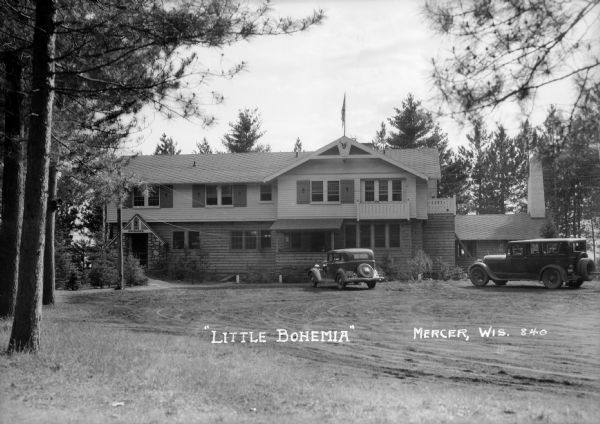
Little Bohemia Lodge is located in Manitowish Waters in Northern Wisconsin.It is a nice little supper club that claims “fine dining with a Northwoods touch!”That is not its only claim to fame, however.Little Bohemia’s main claim to fame is that it was the location of the Dillinger gang’s shootout with the F.B.I.
The lodge was built by Emil Wanatka in 1929. The Northwoods area of Wisconsin has always been known as a recreation vacation spot and with the abundant natural beauty of this area, it is easy to see why.A little more surprising to learn is that it was also popular with the mobsters and gangsters of the 1930’s.They liked its isolation. It was far enough away from Chicago that nobody recognized them there.
It was 1934 and the heyday of the gangster was in full swing.Prohibition had ended in December 1933 and the mobs were very much into running the liquor, girls and gambling.Bank robbery was in and business was booming.One of the most notorious of these gangs was the John Dillinger gang.
John Dillinger began his career of crime at a young age when he robbed a store with an accomplice, Ed Singleton.Singleton was sentenced to two years for this crime but Dillinger was sentenced to 20 years.Dillinger always claimed that the courts had used him as an example when they gave him such a harsh sentence.He stated that this act made him bitter toward the government and it was what drove him into a life of crime.One thing is certain John Dillinger made a lot of friends in prison.These men would later become his gang members.
Dillinger’s gang was fairly successful and Dillinger, as their leader, had quite a reputation.He was looked at favorably in the public’s eyes and almost seemed to be a hero to some people.This was the Great Depression era when banks foreclosed on people’s homes and property.Most people were glad to see the banks get what they felt they had coming to them.
One of Dillinger’s most notorious moves was in March 1934 when he broke out of the Crown Point Indiana jail.He was being held there for the murder of a police officer.Dillinger broke out of the “escape proof jail” using a gun carved out of a piece of wood and stained black with shoe polish.Just to rub salt in the wound, he stole the lady sheriiff’s car.This was a decision that would lead to his undoing.The FBI (and especially J. Edgar Hoover) wanted John Dillinger and his gang very badly.They had passed numerous laws in order to “put the heat” on Dillinger and anyone who might think of assisting him.One of these was the National Motor Vehicle Theft Act.This basically made it a federal offense to move a stolen car over state lines.When Dillinger broke out of the jail in Indiana, he headed back into Illinois. This allowed Hoover to put Dillinger on the Public Enemy list and Melvin Purvis was hired to head up the Chicago office.
We flash forward to April 1934 now, and John Dillinger who had always figured a way to outsmart the police must have felt at least a little low.Several of his best men had been killed, his favorite girl, Evelyn (Billie) Frechette, had been arrested, he himself had been wounded.He must have been desperate for him to hook up with the psychopath, Baby Face Nelson.In April,the gang was on the run.
They traveled up to Northern Wisconsin.Some versions say that his lawyer Louis Piquette sent him up there to stay in a lodge run by one of his other clients, Emil Wanatka. Others imply that Dillinger was just heading across the state to Minnesota and stumbled on the lodge.Whichever way it happened, Dillinger and his gang arrived at Little BohemiaLodge on April 20, 1934.Those present were Homer Van Meter, Marie Comforti (Homer’s girlfriend), Pat Reilly, Pat Cherrington, John Hamilton, Tommy Carroll and his wife Jean Delaney, and Baby Face Nelson and his wife, Helen Gillis and John Dillinger.
After a fine steak dinner, the guests settled in for a card game.It was during this card game that Wannatka started to suspect his games of being more than a group of friends on vacation.He noticed that most of the men were carrying guns.He went into the kitchen to find the latest newspapers and that is when he had his fears confirmed.Needless to say, Wannatka and his wife spent a sleepless night as they tried to decide what to do about their situation.On one hand, the gang had paid him a princely sum to use his establishment.On the other hand, they knew that the FBI was cracking down on anyone who harbored this gang.
They came up with a plan to send Emil’s wife and son to a birthday party at a relative’s house where she would try to contact the FBI.Mrs. Wanatka was able to discuss the situation with her brother –in laws at t he party and they agreed to call the FBI office in MIlwaukee.Mrs. Wanatka bravely returned to the lodge with her son.
Sunday passed with the visitors enjoying more cards games and even playing catch with the Wanatka’s young son.No one even suspected that the FBI had been alerted and Melvin Purvis and his men were moving in at that very moment.There are many versions of what actually happened that even but it seems that even the FBI suffers from Murphy’s Law.Agents flew into Rhinelander, Wisconsin but had difficulty findinga place to rent cars from.On the trip from Rhinelander to Manitowish Waters (A distance of 50 miles or so) two of the cars broke down and some of the agents had to finish the trip standing on the running boards.
The agents split up to cover what they thought were all the avenues of escape.They hadn’t been waiting very long when some men left the restaurant portion of the inn.The FBI ordered them to stop but (and versions vary here as well) either they were too inebriated or their radio in the car was up too loud but they ignored the FBI orders and when they continued driving, the FBI agents opened fire.The men inside the car were not part of Dillinger’s gang. They were three men who happened to dine at the lodge that evening. Two were Civilian Conservation Corporation workers named John and Eugene Boisneau and the other was a salesman named John Hoffman.They were, however, carrying rifles when they climbed into the car causing the agents to believe they were part of the gang.Morris and Hoffman were wounded and Boisneau was killed.
Meanwhile, inside the lodge some of the gang had been playing cards when they heard the gunfire. According to some witnesses the gang inside never fired ANY bullets while others stated that some gang members covered the others while they ran upstairs to retrieve the money and more guns.The men in the gang all escaped out the back windows.The agents apparently thought the lodge was set back closer to the lake than it actually was.They slipped out of the back while the agents released a volley of gunfire on the front.The Wanatka family and employees hid in the basement with the three women who had accompanied the gang members.They were lucky to be left alive.
Dillinger, Hamilton and Van Meter headed north up the shore of the Little Star Lake. They stopped at a place about a mile up the road called Mitchell’s Lodge.They commandeered a car and had the owner drive them out of the area.In a typical Dillinger style, the family at the lodge described Dillinger as being very polite.
Baby Face Nelson had gone south along the lake shore and then he grabbed a car with hostages but was stopped by agents. During this gun battle one of the agents, W. Carter Baum was killed by Nelson in his typical ruthless manner.Carter left a wife and two small children when he was killed.Nelson escaped that night and in some versions walked 17 miles to Lac du Flambeau where he hid out in Cabin Number 5 of Dillman’s Bay holding an old indian man hostage for days until things had calmed down enough for him to leave the area.
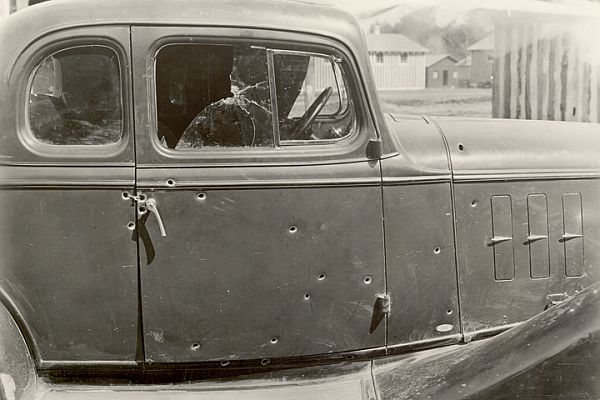
Unlike the portrayal in the movie ”Public Enemies” , Baby Face Nelson didn’t die in the gunfight at Little Bohemia.It seems almost a miracle that more people weren’t killed when you see the damage that was done from the FBI agent’s bullets.
The lodge is still open today and due to Wanatka’s quick thinking, it has been preserved exactly as it was on the night after the gunfight.There are holes in the walls, and the windows have also been preserved behind panes of glass.In fact, Dillinger’s own father worked there for a time before he and Billy Frechette went on their “Crime doesn’t Pay Tour.”
This little obscure place set in the back woods of Wisconsin has insured its place in history.
There are some websites that I used when I planned my trip to this unique place.One is the Little Bohemia website at www.littlebohemialodge.com. They have a nice history page filled with pictures and descriptions of the night.The lodge is a fine restaurant and bar on the first floor and the second floor is a little museum of Dillinger- it even has the seat from the Biograph Theater that he supposedly sat in the night he died.Its walls are filled with articles of his exploits and even love letters from his grilfriends. It also has some of the clothes left behind by the gang.The present owners have added their own memorabilia from the making of “Public Enemies”.Yes, Johnny Depp was there!It is a fascinating place to visit and is definitely worth the trip.Even those people who don’t believe in ghosts admit they feel a “presence” in this place.
I would also recommend the books by G. Russell Girardin:“Dillinger:The Untold Story.” and Elliot J. Gorn’s“Dillinger’s Wild Ride: The Year that Made America’s Public Enemy Number One” .
The Dillinger story has fascinated me (as well as many others) for years.He charmed men and women alike and even those hired to hunt him down admired him.He was a loyal friend and fell hard for the women he loved. He was close to his family and continued to visit them and send them money even after he made the most wanted list.Whether you consider him a cold-blooded killer or a small town hero he is definitely one of history’s most interesting men.